If you’re new here, welcome!
I’m Dzifa Ababio, and for the past 14 years, I’ve been deeply immersed in the world of menswear. My journey began right after college when I started sharing my outfit looks on a blog called Spotes for Esquires. This passion eventually led me to step away from a legal career and dive into entrepreneurship, pursuing an MBA and a brand management role with a Fortune 500 company along the way.
These days, I channel my experience and passion into curating collections of refined, versatile pieces designed to endure the test of time. I invite you to join our community—be among first to shop my menswear collection by signing up for the waitlist here. In the meantime, if you’re interested in custom made clothing, you can always reach out to me to schedule a private fitting.
Separately, I’m an Ashtanga Yoga student and I practice Mysore style 3 times each week. I also teach yoga and I am actively building a community of yoga enthusiasts across Africa. You can explore my personal yoga journey here and my community building activities here.
Consistency has been a challenge, but for the past several weeks, I’ve committed to writing this column weekly. Here, I explore the finer details of menswear, sharing insights to inspire and inform.
In Case You Missed It: Check out my last entry where I discuss my first ever Safari Suit under my label.
Enjoy the read, and remember to KISS—Keep it Simple & Stylish.

Let’s Rewind to One of My Earliest Mistakes
One bustling weekday afternoon, I stepped into an office building in the Airport Residential neighborhood of Accra, to meet a new client. I was referred by an existing client, who confidently declared I was the perfect person to sharpen his style. As I entered, I felt a wave of excitement mixed with nervousness, eager to live up to the expectations set for me. After exchanging pleasantries and diving deep into our family trees to trace connections (as one does in Accra), we got down to business. He needed a series of suits for his upcoming engagements, and his impeccably dressed colleague had vouched for me as the best in town.
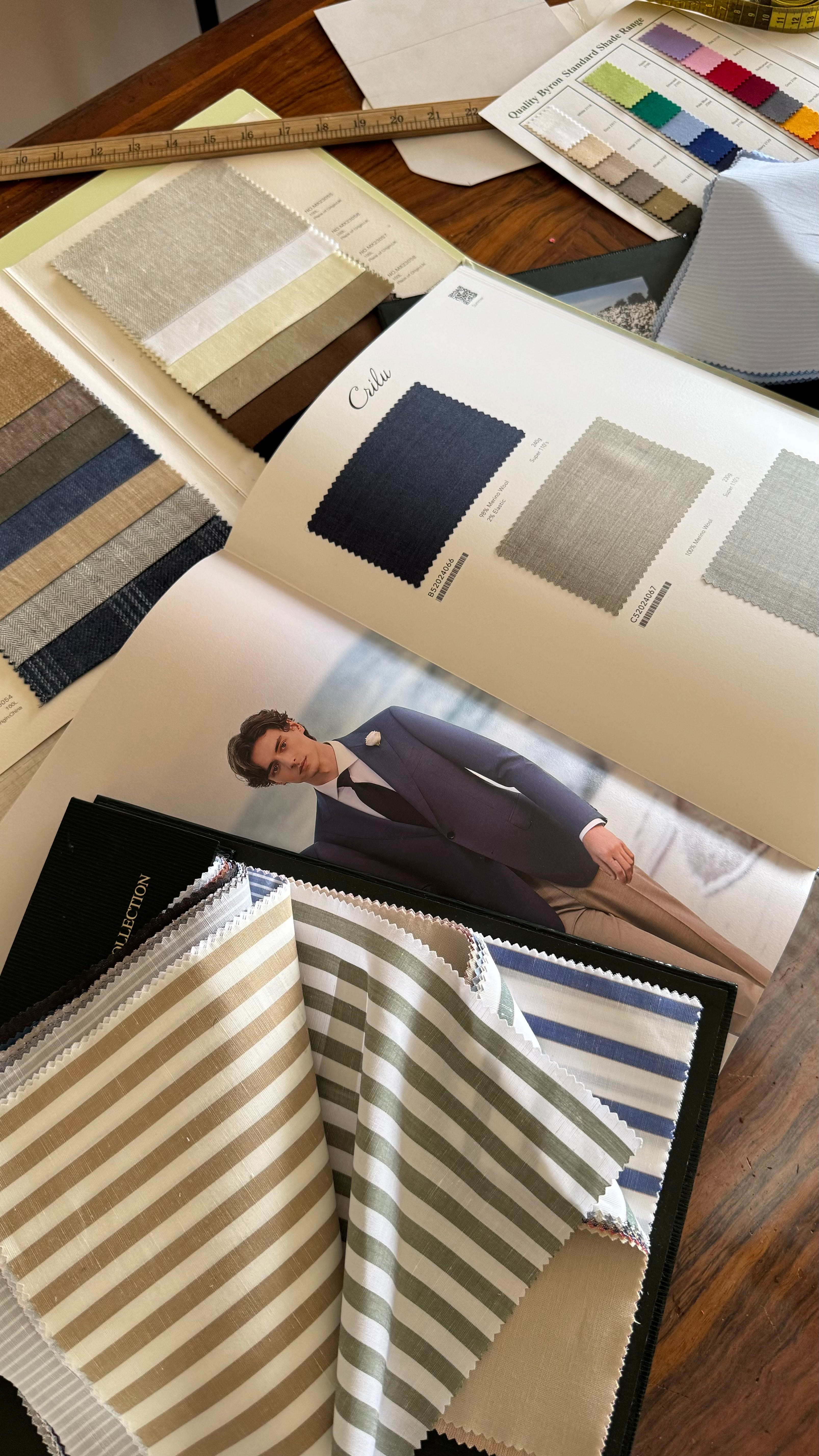
We discussed his style, color preferences, and overall tastes, and I pulled out a swatch book to showcase some fabric samples. He leaned in eagerly, only to pull his hand away abruptly. Surprised, I asked if everything was alright. With a faint smile, he replied, “I only wear fabrics that are Super 150s or better.”
At the time, my collection mainly consisted of a solid range of Super 110s to 130s. I was still in my “people pleaser” era, so I quickly assured him I’d find what he wanted, making a mental note to start stocking Super 150s and above for more discerning clients.
Months passed, and I finally received some Super 180s fabric from a renowned Italian mill. My first project with this luxurious material was a pair of trousers for another client. He wasn’t overly concerned with the super numbers but loved the fabric’s distinct style and weave. His fit was flawless, and he placed more orders. However, weeks after delivery, he called me, frustrated. The Super 180s trousers had barely survived a single trip to the dry cleaner.
Upon examining them, I understood his frustration: the fabric was frayed, tiny fibers formed knotted balls along the legs, and the waistband appeared worn out. Even the color had faded. My client assured me he’d never had this issue with his dry cleaner before. To be fair, his other garments (made from Super 130s wool) were just fine. While I worked on a replacement under our clothing warranty program, I needed to understand what had gone wrong. This week’s edition delves into that deep dive—what I discovered about super numbers and the chemistry behind dry cleaning.
Decoding Super Numbers
Super numbers are a grading system that indicates the quality and fineness of wool used in suiting fabrics. The scale typically starts at Super 100s, which represents good-quality wool suitable for everyday suits. As the number increases, the fabric becomes finer and softer, with Super 150s and above signifying high-end, luxurious options. The super number reflects how many hanks of wool can be spun from a pound of fleece; higher numbers indicate more hanks therefore finer fibers.
Fabrics with higher super numbers often feature a smoother finish and better drape, making them ideal for special occasions or formal wear where comfort and style are paramount. However, it’s crucial to note that while these finer fabrics look great, they can be less durable and may require more care to maintain their appearance.
Consider your high end Super 180s fabric like buying a Ferrari. Sure, it boasts incredible speed and performance, but what good is that on the streets of Accra? With those sometimes random speed ramps and those incredible potholes, you risk significantly damaging your prized possession. Just like those luxurious sports cars, high-end fabrics require careful consideration of the environment in which they'll be used. Without proper care, these fabrics can lose their luster and integrity more quickly than their more durable counterparts. This leads me to my next point about dry cleaning.
The Dry Cleaning Process
Dry cleaning might sound like it involves no liquids, but it’s actually a precise process that uses specialized solvents instead of water. These solvents are designed to dissolve oils, dirt, and grime that water alone can't remove, making it effective for cleaning suits and delicate fabrics. However, delicate fabrics, especially those with higher super numbers, are more prone to wear and tear under this treatment. The gentle nature of these fabrics makes them susceptible to the harsh effects of these chemicals, which can break down fibers and lead to issues like fraying or loss of structure.
So, how often should you dry clean your garments? For most suits worn occasionally, a cleaning every six months is usually sufficient. However, if you live in a place like Accra, where harmattan dust and heat can cling to fabrics more readily, you might consider a monthly cleaning. While regular cleaning is necessary to keep your garments looking fresh, frequent dry cleaning can degrade fibers over time, so it’s essential to find a balance.
Recommendations for Cleaning Delicate Fabrics:
Spot Cleaning: For minor stains or spills, try spot cleaning with a mild detergent and a soft cloth before resorting to full dry cleaning.
Professional Cleaners: Choose a reputable dry cleaner specializing in high-end fabrics and understands how to handle garments with high super numbers. Inform them of the fabric’s specifications and inquire about their cleaning methods to ensure they use the gentlest approach. I recommend Premier Laundry in Accra; they have locations in Tesano and Labone. (024 438 7527 - Tell Uncle Kenny I sent you!)
Air Out After Every Wear: Allow your suits to air out after wearing them to reduce odors and light dirt buildup without immediate cleaning.
Final Notes
While a high super number may sound prestigious, it isn’t always practical for everyday wear. Together with my team, we've meticulously curated a selection of fabrics ranging from Super 130s to Super 160s, designed to withstand the demands of your busy life. Stay tuned for our highly anticipated Care-Wear-Pack Clothing Guide, launching this January, featuring in-depth tips on dry cleaning and garment maintenance.
Special OFFER
I’m thrilled to announce our exclusive offer the Unmatched Value Collection for the Year’s End: Introducing 20-30% off our entire collection plus 2 new bundles! This is a rare opportunity to access exceptional deals on classic essentials, but I must emphasize that it is extremely limited. I currently have only 40, 37 slots available for personalized consultations from now until the end of November (3 slots already filled for next week). These slots are filling up quickly!

Once November is over, this exclusive collection of fabrics will no longer be available, making this your chance to be one of only 40 individuals in Accra to create garments from these unique pieces. Please remember, there is a lead time of 5 weeks for orders, so the sooner you secure your consultation, the sooner you can choose your materials and step into your events with distinction.
I look forward to working with you.
*Full details of the promotion will revealed in the coming days*